
Hydraulic vs Traction Elevators
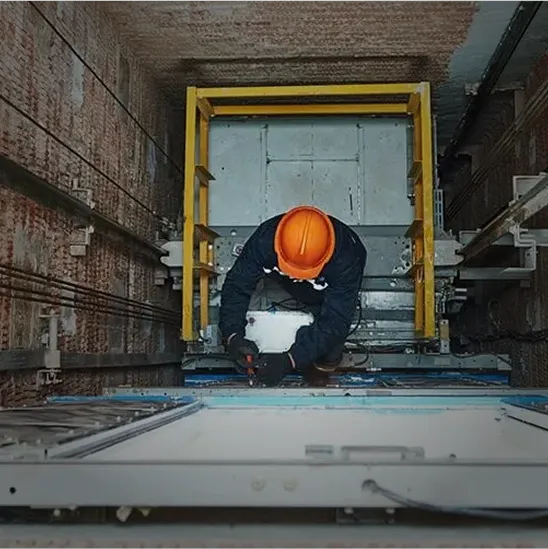
Hydraulic vs Traction Elevators: Which is Better for Your Building?
When planning a new building or upgrading an old lift, choosing the right system is not just about price. It is about safety, long-term cost, speed, and daily use. Many building owners get confused when comparing a hydraulic vs traction elevator, because both systems have strong benefits.
At Force Elevator Inc, we often guide property owners, builders, and facility managers who want a clear answer without technical confusion. The truth is simple: the right elevator depends on your building type, height, and traffic needs.
In this detailed guide, we explain the difference between hydraulic and traction lift systems, their cost, energy use, and performance so you can make a confident decision.
What Is a Hydraulic Elevator?
A hydraulic system works like a giant car jack. It uses a pump to push liquid (usually oil) into a cylinder. This pressure pushes a piston, which lifts the elevator car up. To go down, a valve opens to let the fluid back into a tank, using gravity to lower the car.
Hydraulic Elevator Benefits
- Lower installation cost
- Smooth start and stop
- Good for heavy loads
- Ideal for 2–6 floors
- Can work without overhead machine room
- Good choice for homes and small offices
Hydraulic lifts are common in small apartments, warehouses, schools, and medical buildings.
What Is a Traction Elevator?
Traction lifts are what most people think of when they see a tall city building. They use steel ropes or flat belts that go over a wheel (called a sheave). A motor turns the wheel to move the car, while a counterweight hangs on the other side to balance the load.
There are two main types:
- Geared traction
- Gearless traction
Traction Elevator Advantages
- High speed
- Suitable for tall buildings
- Better energy saving
- Smooth and quiet ride
- Long life span
Traction lifts are mostly used in commercial towers, hotels, and high-rise buildings.
Traction Vs Hydraulic Elevator Comparison Table
Below is a detailed hydraulic vs traction elevator comparison table:
Feature |
Hydraulic Elevator |
Traction Elevator |
| Best For | 2–6 floors | 6+ floors |
| Speed | Slow to medium | Fast |
| Installation Cost | Lower | Higher |
| Maintenance | Simple system | More complex |
| Energy Use | Higher | Lower |
| Machine Room | Usually required | May be overhead or machine-room-less |
| Load Capacity | Heavy loads | Medium to high |
| Ride Comfort | Smooth | Very smooth |
| Travel Height Limit | Limited | No major limit |
This table shows the basic elevator types comparison clearly. Hydraulic is practical for shorter buildings. Traction is built for height and speed.
Traction Elevator vs Hydraulic Cost: What to Expect?
When looking at traction elevator vs hydraulic cost, you must think about both the “buy price” and the “run price.”
- Installation: Hydraulic lifts win here. They are simpler to build and do not need a massive structure at the top of the building.
- Electric Bills: Traction lifts are the winners for energy efficient elevators comparison. Because they use a counterweight, the motor does not have to pull the full weight of the car every time.
- Maintenance: Hydraulic units have fewer moving parts, but you have to watch for oil leaks. Traction units have more parts (cables, sheaves, governors) that need regular checks by a pro.
We can also conclude that, when comparing traction elevator vs hydraulic cost, installation is usually lower for hydraulic systems. The design is simple, and the setup process is less complex.
Performance Comparison for Real Buildings
If you are deciding the best elevator for commercial buildings, traction elevators usually offer stronger performance due to:
- Faster movement
- Better handling of peak traffic
- Greater height capacity
- Lower energy consumption over time
For the best elevator type for residential buildings, hydraulic systems are often preferred when:
- The building has fewer than six floors
- Traffic demand is moderate
- Budget control is important
This is why the question of which elevator is better, hydraulic or traction, does not have a single answer. The building type decides the better option.
Energy Efficient Elevators Comparison
Energy use directly impacts operating cost. In an energy-efficient elevators comparison, traction systems generally perform better because the counterweight reduces energy demand during movement.
Hydraulic elevators remain reliable but may consume more electricity in busy buildings.
If sustainability and lower power bills are priorities, traction elevators may provide better long-term value.
Performance Comparison for Buildings
If you are deciding the best elevator for commercial buildings, traction elevators usually offer stronger performance due to:
- Faster movement
- Better handling of peak traffic
- Greater height capacity
- Lower energy consumption over time
For the best elevator type for residential buildings, hydraulic systems are often preferred when:
- The building has fewer than six floors
- Traffic demand is moderate
- Budget control is important
This is why the question which elevator is better hydraulic or traction does not have a single answer. The building type decides the better option.
Safety and Emergency Features
Both types are very safe when kept in good shape.
- Hydraulic: If a pipe breaks, there are valves to stop the car from falling.
- Traction: If a cable snaps (which is very rare), there are “safeties” that grip the rails to stop the car instantly.
Why Proper Maintenance Matters?
No matter which elevator is better hydraulic or traction for your specific needs, both need expert care. At Force Elevator Inc, we provide 24/7 help. Regular checks prevent big repair bills and keep your building occupants safe. If you have an older hydraulic lift, we can check for oil wear. If you have a traction lift, we check the cables for any signs of fraying.
Can a hydraulic elevator go 10 floors?
Usually, no. Hydraulic lifts are limited by the length of the piston. They are best for 2 to 6 floors. For anything taller, a traction lift is required.
How long do these elevators last?
Both types can last 20 to 25 years if you take care of them. Regular service is the key to making sure you don’t have to replace the whole system too soon.
What is the main difference between hydraulic vs traction elevator?
The main difference between hydraulic and traction lift systems is the working method. Hydraulic uses oil pressure and piston. Traction uses ropes, counterweight, and motor.
What is the best elevator for commercial buildings?
The best elevator for commercial buildings is usually a traction system because it handles high traffic and tall structures efficiently.
Final Summary: Hydraulic vs Traction Elevator
Use this simple rule of thumb for your elevator types comparison:
- Pick Hydraulic if: You have a small budget, your building is under 50 feet tall, or you need to move very heavy items.
- Pick Traction if: You have a tall building, many people use the lift, or you want to save money on your monthly power bill.
In Simple & short:
- Hydraulic = low-rise + lower start cost
- Traction = high-rise + better energy saving
Still unsure which elevator is right for your building? Contact Force Elevator Inc today for expert guidance.
At Force Elevator Inc, we analyze your building structure, floor count, traffic demand, and long-term goals before recommending the right system. Our goal is not just installation, but reliable and cost-effective operation for years.